When people think about strengthening family relationships, they often imagine big moments, vacations, special outings, or once-in-a-lifetime experiences. While those moments can be meaningful, they aren’t what truly hold families together over time.
Strong family bonds are built in ordinary moments.
They grow through everyday activities that allow family members to connect naturally, without pressure or perfection. These moments don’t require elaborate planning, expensive supplies, or extra time carved out of an already busy schedule. Instead, they happen when families choose to be present with one another during the routines they already share.
The beauty of everyday bonding is that it doesn’t demand anything extraordinary. It simply asks families to show up, to be attentive, and to make space for connection within the rhythm of daily life. This approach removes the burden of perfection and replaces it with something far more sustainable: presence.
Big events are memorable, but they are rare. Everyday activities, on the other hand, are consistent. And consistency is what creates emotional security.
The Benefits of Regular Family Connection
When families regularly engage in simple shared activities, they:
- Build familiarity and trust
- Create predictable opportunities for connection
- Reduce emotional distance over time
- Strengthen communication in low-pressure settings

How Children Measure Connection
Children don’t measure connection by how exciting an experience is. They measure it by how often they feel noticed, included, and valued. A child who helps prepare dinner three times a week may feel more connected to their parent than one who goes on an annual vacation but rarely shares everyday moments.
This distinction is critical. Occasional events may create highlights, but everyday moments create the foundation. They form the backdrop against which children learn what it means to belong to a family.
Read more about family outdoor adventures that will bring you closer together as a family.
Many of the most meaningful family interactions happen when no one is trying to make them happen.
Unexpected Moments of Connection
They occur:
- While walking together
- While preparing a meal
- During car rides
- While doing chores side by side
- In moments of shared quiet
These in-between moments remove expectations. There’s no goal beyond being together, which makes connection feel easier and more genuine. Without the weight of “making it count,” families can simply exist together comfortably.
A child might open up about a difficult friendship while folding laundry. A teenager might share their thoughts about the future during a drive to the store. These conversations don’t happen because anyone planned them, they happen because the space existed for them to unfold naturally.
The Power of Routine in Building Relationships
Routines often get a bad reputation for being boring or repetitive, but for families, routines are powerful.
Shared routines:
- Create emotional safety
- Signal reliability and care
- Provide regular touchpoints for connection
A nightly walk, a weekly family meal, or a regular game night may seem small, but over time, these activities become anchors. They give family members something to count on, something that belongs to them together.
Routines also create structure in children’s lives. When children know that certain times are reserved for family connection, they internalize a sense of stability. They learn that no matter how chaotic the world feels, these moments remain constant.

Family bonding doesn’t require special skills or detailed planning. Many everyday activities already provide opportunities for connection when approached intentionally.
Five Simple Activities for Daily Connection
Walking Together
Walking is one of the simplest and most effective bonding activities. It allows conversation to flow naturally and removes distractions. There’s no pressure to make eye contact or fill every silence, which often helps children feel more comfortable opening up. The rhythm of walking can also be soothing, creating a calm environment for meaningful dialogue.
Sharing Meals
Eating together doesn’t have to mean elaborate dinners. Even simple meals or snacks shared without distractions create space for conversation, laughter, and togetherness. The act of sitting down together sends a powerful message of priority and care. It tells family members that this time matters, and that being together is worth protecting.
Doing Chores as a Team
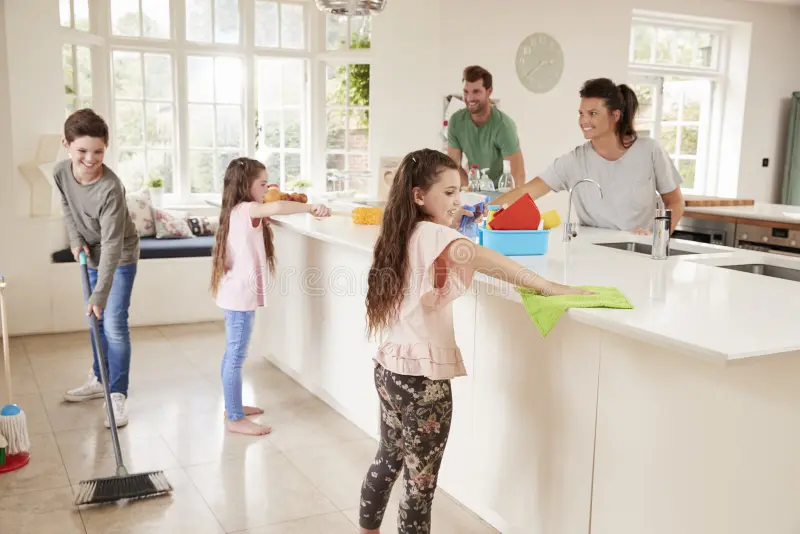
Chores are often seen as tasks to get through quickly, but when done together, they can become bonding opportunities. Working side by side encourages teamwork and shows children that everyone contributes to the household. Washing dishes together, folding clothes, or tidying a shared space can feel less like work and more like collaboration when families approach these tasks with a positive attitude.
Car Rides and Errands
Car rides offer unique opportunities for conversation. With no direct eye contact and a shared destination, children often feel more relaxed talking about their thoughts and experiences. The enclosed space and forward-facing seats can create a sense of privacy that encourages openness, making even mundane trips to the grocery store valuable connection time.
Unstructured Play Time
Allowing time for free play, indoors or outdoors, lets families interact without rules or outcomes. These moments encourage creativity, laughter, and shared imagination. Whether it’s building with blocks, playing in the backyard, or simply being silly together, unstructured play removes the pressure to perform and allows genuine connection to emerge.
Planned activities can sometimes come with expectations: everyone should enjoy it, everyone should behave, and everything should go smoothly. That pressure can unintentionally create stress.
The Freedom of Low-Stakes Connection
Simple activities don’t carry those expectations.
They allow families to:
- Be flexible
- Adjust without disappointment
- Focus on presence instead of results
When activities are low-stakes, connection feels more natural. If a planned outing falls through, disappointment may follow. But if a casual evening walk gets interrupted by rain, the family can easily pivot to something else without feeling like the opportunity for connection was lost. The focus shifts from the activity itself to simply being together.
One of the biggest barriers families face is the belief that bonding requires doing things “right.” In reality, perfection isn’t what strengthens relationships, consistency is.
Progress Over Perfection
Missed days don’t undo progress. Awkward moments don’t cancel connection. What matters is returning to shared time again and again.
Families who prioritize consistent, everyday connection often find that bonding becomes easier over time, not harder. The initial effort to establish routines may feel intentional, but eventually, these moments become second nature. They stop feeling like something families have to do and start feeling like something they simply are.
Everyday shared activities play a major role in children’s emotional development. Through regular interaction, children learn:
Key Emotional Skills Learned Through Daily Connection
- How to express themselves
- How to listen and respond
- How to manage emotions in safe environments
- How to trust others
These lessons are absorbed through experience, not instruction. When a parent remains patient during a difficult conversation, the child learns how to handle frustration. When a family laughs together over a small mistake, the child learns that imperfection is acceptable. These moments of emotional modeling happen constantly during everyday activities, shaping how children understand relationships and navigate their own feelings.
[BACKLINK 2: Link to related article about child development or parenting strategies]
Many parents feel pressure to constantly entertain their children. This pressure can make family time feel exhausting rather than fulfilling.
What Children Really Need
Everyday activities shift the focus away from entertainment and toward presence.
Children don’t need constant stimulation. They need:
- Attention
- Reliability
- Emotional availability
Showing up consistently matters more than planning exciting activities. A parent who is emotionally present during a simple walk provides more connection than one who is distracted during an expensive outing. Children sense the difference between genuine engagement and going through the motions, and they value the former far more.
Everyday activities create natural openings for conversation. Instead of asking direct or formal questions, families can let conversations unfold organically.
Creating Natural Dialogue Opportunities
Moments like walking, cooking, or driving provide:
- Shared focus
- Reduced pressure
- Comfortable pauses
These environments make it easier for children to talk when they’re ready. The lack of direct questioning removes the feeling of being interrogated, allowing children to share at their own pace. Sometimes the best conversations happen when families aren’t trying to have them, they simply emerge because the conditions were right.
Building Confidence Through Contribution
When families engage in everyday activities together, children feel included and capable. Shared responsibility builds confidence and reinforces the idea that everyone’s contribution matters.
This sense of belonging strengthens family bonds and helps children feel valued. When a child helps prepare a meal or contributes to a household task, they learn that they are an essential part of the family unit. This feeling of mattering is foundational to healthy self-esteem and strong family relationships.
Making Connection Work with Limited Time
Busy schedules are a reality for most families, but everyday bonding doesn’t require extra hours.
Small shifts make a big difference:
- Turning a routine walk into shared time
- Eating one meal together each day
- Including children in daily tasks
- Creating short, repeatable rituals
Connection doesn’t need to be time-consuming to be meaningful. Even ten minutes of focused attention during a shared activity can have a significant impact. The key is not the quantity of time but the quality of presence during that time.

What Stays with Children Forever
As children grow older, they rarely remember the details of busy schedules. They remember how it felt to be part of the family.
They remember:
- Feeling heard
- Feeling included
- Feeling safe
Everyday activities shape those memories more than occasional events ever could. A child may not remember every dinner shared, but they will remember the feeling of sitting together as a family. They may not recall specific car rides, but they will remember the comfort of having someone to talk to during those drives.
The Foundation of Reliable Relationships
Trust grows through repetition. When families show up consistently in small ways, children learn that connection is reliable.
They learn:
- That their presence matters
- That they can depend on their family
- That home is a place of support
This trust becomes the foundation for strong relationships later in life. Children who grow up in families that prioritize everyday connection are more likely to seek out healthy relationships as adults. They carry forward the lessons learned during those simple, repeated moments, that relationships are built on consistency, presence, and care.
How Routines Transform into Cherished Rituals
Over time, simple activities often turn into cherished traditions. What starts as a casual routine becomes something the family looks forward to.
These traditions don’t need names or schedules. Their value comes from shared meaning and repetition. A family might not realize that their Friday night pizza dinners have become a tradition until someone mentions missing it. Or a regular Saturday morning walk might quietly transform into something everyone protects on their calendar.
Traditions born from everyday activities feel organic rather than forced. They emerge naturally from what the family already does together, making them sustainable and meaningful.
Strong family bonds aren’t built through rare moments of excitement. They’re built through everyday activities that allow families to connect naturally and consistently.
By choosing presence over perfection and consistency over complexity, families create relationships rooted in trust, understanding, and shared experience.
Everyday moments may seem small, but together, they shape the foundation of a strong, connected family, one shared activity at a time. The dinner table conversations, the walks around the neighborhood, the chores completed side by side, and the quiet moments spent together all contribute to something far greater than their individual parts. They build a family culture of connection, where every member knows they belong and that their presence matters.
The path to stronger family bonds doesn’t require dramatic changes or significant investments. It simply asks families to recognize the value in what they already do and to approach those moments with intention. When families make this shift, they discover that connection was never out of reach, it was always there, waiting in the everyday moments they share.